


Lye Safety FAQ
Lye gets a lot of questions, some about whether it's dangerous, some about how to handle and store it safely, and some about coloring your soap. Here are quick answers, with links to full deep-dives where it makes sense. Shop lye and soap-making additives in Additives, Bases, & Lye.
Is Lye Dangerous?
Lye (sodium hydroxide) is highly caustic and can cause serious skin and eye burns if handled improperly. It's genuinely dangerous in its raw form, not a myth or an exaggeration, but it's also safe to work with when you follow standard precautions: wear safety goggles, chemical-resistant gloves, and long sleeves, and always work in a well-ventilated area. Once lye fully reacts with oils during saponification, it's converted into soap and is no longer caustic.
Is Lye Soap Safe to Use?
Yes. Once soap has fully saponified, the lye has chemically reacted with the oils and is no longer present as lye at all, it's been converted into soap and glycerin. Properly made and cured lye soap doesn't burn or irritate skin the way raw lye does. The concern only applies to lye in its raw, pre-reaction form, or to soap batter before saponification is complete.
Can You Make Soap Without Lye?
No. Every bar of true soap is made by reacting oils with lye: sodium hydroxide for bar soap, potassium hydroxide for liquid soap. Without lye there is no saponification and no soap. What you can skip is handling lye yourself: melt and pour soap base is already saponified, so you melt it, color and scent it, and pour. Either way, once soap has fully saponified and cured, no lye remains in it.
Why Is Lye Used in Soap?
Lye is what turns oils into soap. In saponification, sodium hydroxide reacts with the fatty acids in your oils to form soap and glycerin. A correctly measured recipe uses up all the lye in that reaction, which is why cured soap is not caustic even though raw lye is. Our Soap Calculator works out the exact lye amount for your oils.
Why Do You Always Add Lye to Water, Never Water to Lye?
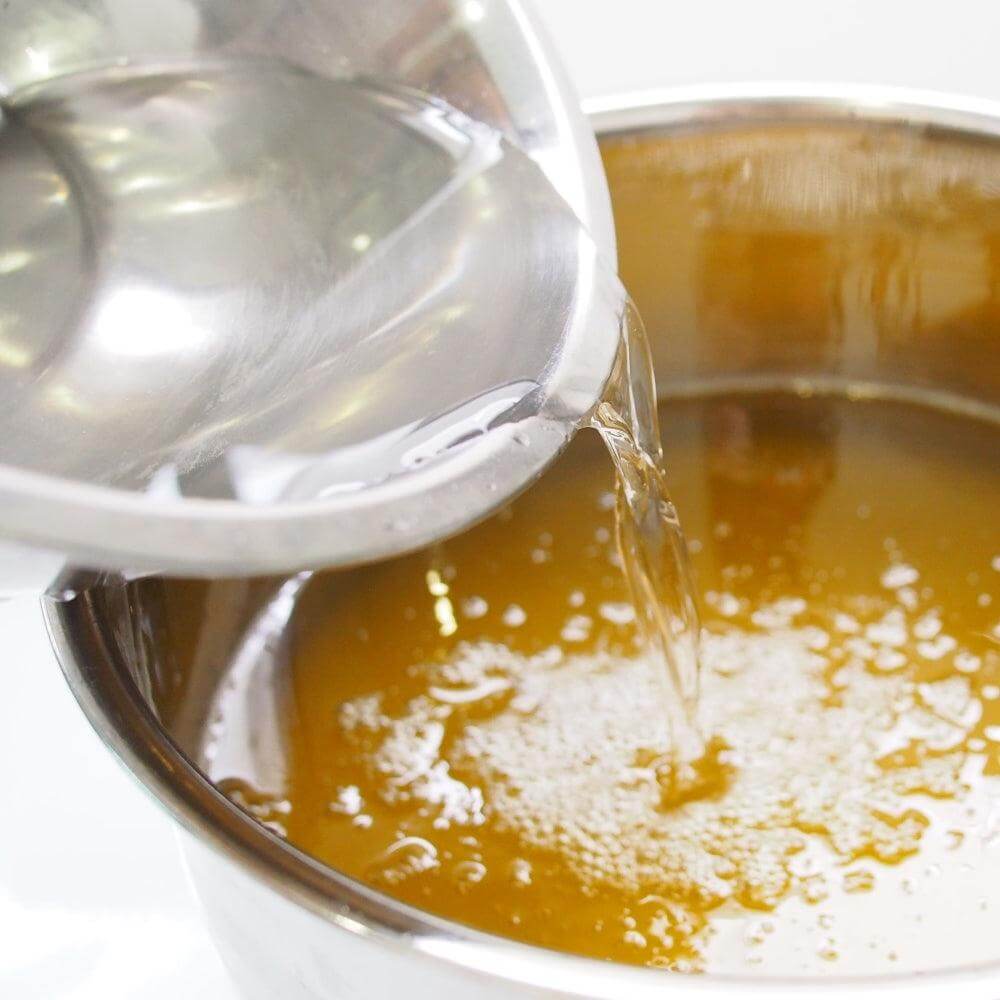
Adding water to lye can cause a violent, splattering reaction because of the intense heat released all at once. Always add lye slowly to your water, not the other way around, while stirring gently, and mix in a well-ventilated space since the reaction produces strong fumes as it dissolves.
How Should I Store Lye Safely?
Store lye in a tightly sealed, clearly labeled container in a cool, dry place, away from children, pets, and moisture. Lye readily absorbs moisture from the air, so keeping it sealed helps prevent clumping and keeps your measurements accurate.
Where Can I Buy Lye for Soap Making?
We sell it: Sodium Hydroxide (Lye). Lye can only travel by ground, so we ship it within the 48 contiguous US states and to Canada only.
What Should I Do If Lye Touches My Skin?
Remove any contaminated clothing and immediately flush the affected area with plenty of cool water for at least 15 minutes. If it gets in your eyes, rinse continuously for 15 minutes and seek medical attention. Keep a water source within easy reach any time you're working with lye.
For a real account of one maker's experience getting lye in her eye, including exactly what she did in the moment and afterward, read A Lesson in Sugar & Lye Safety on our blog.
Is Cold Process Soap Safe to Make as a Beginner?
Yes, as long as you follow basic lye safety: wear gloves and eye protection, work in a well-ventilated space, and always add lye to water rather than water to lye. The reaction that turns lye into soap, saponification, means no active lye remains in your cured bars. Use our Lye Calculator to get an accurate lye amount for your recipe before you start.
If you'd rather skip working with lye directly your first time out, melt and pour soap uses an already-saponified base instead.
Can You Use Food Coloring in Soap?
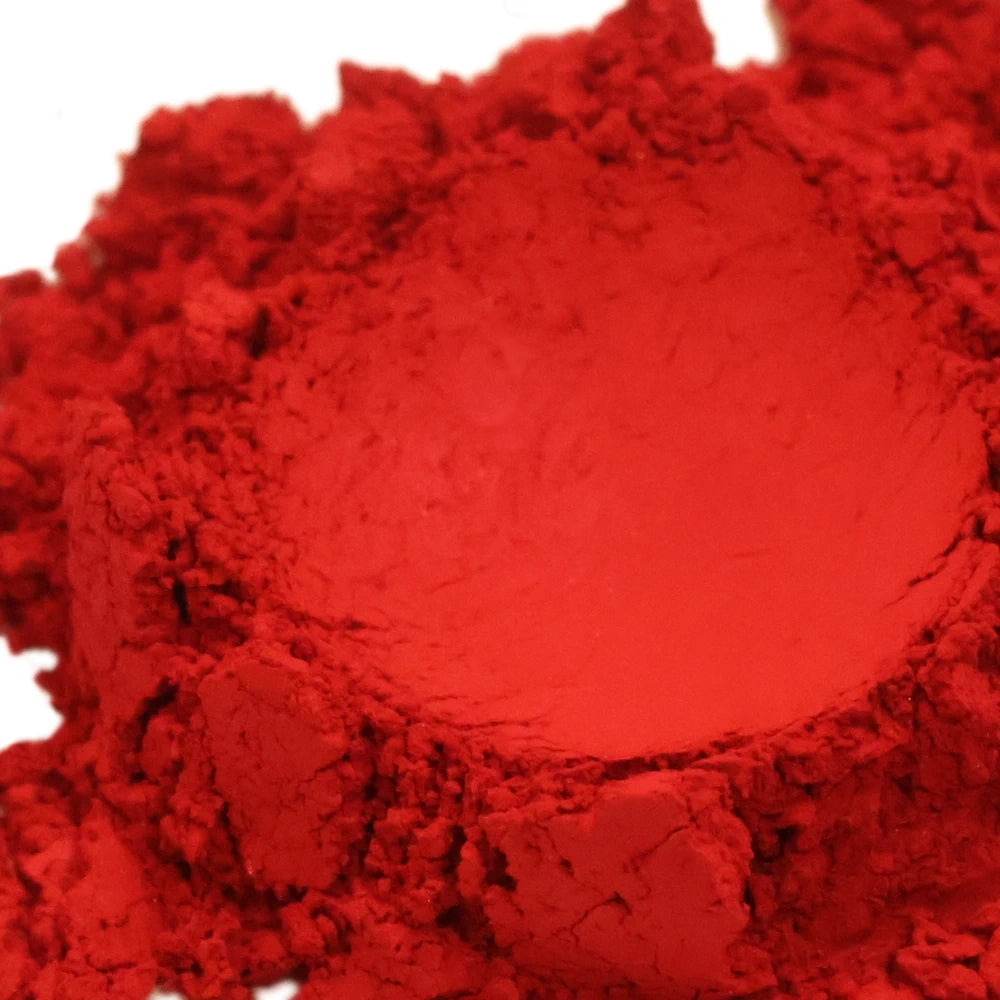
Technically yes, but it's not a good long-term choice. Food coloring is a water-based dye made for edible use, not formulated to hold up in soap. In cold process soap it tends to fade, migrate, or turn brown as the batter saponifies, and in melt and pour it can bleed between layers. It also isn't tested or approved for the kind of skin contact soap gets. Colorants made specifically for soap, like mica, oxides, and lakes, are formulated to hold their color and stand up to the soap-making process.
What's the Difference Between Food Coloring and Real Soap Colorants?
Food coloring is a water-based dye made to color food and drinks, tested for ingestion, not for topical use or chemical stability in a caustic soap batter. Soap colorants like mica, oxides, and lakes are mineral- or pigment-based, chosen specifically for how they perform in soap: holding color through saponification and cure, resisting fading, and meeting cosmetic-safety standards for skin contact. If you want reliable, lasting color in your soap, a colorant made for soap will perform far more predictably than food coloring.