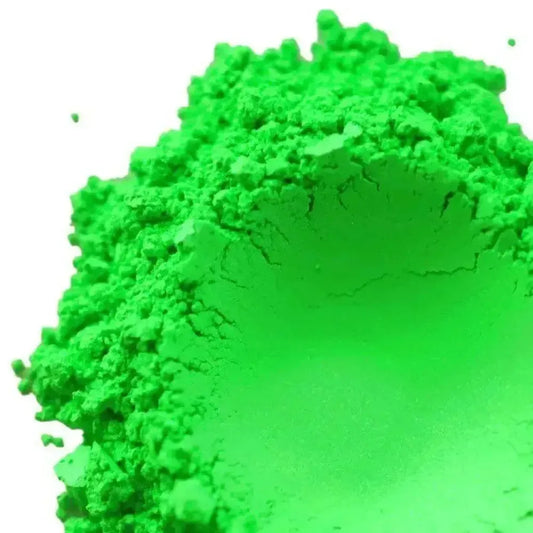
24 products

Collection: Pigments & Neons

Bold Matte Color, No Shimmer

Matte color with no shimmer: fluorescent neons, oxide pigments for deep opaque shades, whitening powders, and the occasional specialty effect. Neons need to be dispersed in a little oil before they go into the batter or they speckle, and some soften in cold process soap, so read the use notes and the finished-soap photo on each page.

Pigments & Neons FAQ

Neons and pigments deliver some of the boldest, most saturated color in your whole colorant lineup, but getting a clean, vibrant result takes a bit of technique. Here's how neon pigments differ from oxide-based ones, how to disperse them properly, and how to get the most out of every batch.

What's the difference between a neon pigment and an oxide/mineral pigment?

Neon pigments are fluorescent, ultra-bright colorants (often blacklight reactive) designed for bold, eye-catching shades that stand out on a shelf. Oxide-based pigments, like black iron oxide, deliver more traditional, deep, matte color without the fluorescent glow. Both are high-powered and hold up well in high-pH bases, but neons lean vivid and electric, while oxides lean rich and grounded.

How do I disperse pigments and neons to avoid speckling?

Both pigment types need to be fully dispersed before adding to your batch, or you'll end up with streaks or speckles. Mix the pigment with a small amount of oil (for neons) or water (for oxides) until it's completely smooth, then add that mixture to your main batter. Skipping this step is the most common cause of uneven color.

Do neon colors stay the same in cold process soap?

Not always; some neons shift shade in CP soap. For example, neon red tends to shift toward pink in cold process, while staying true and brilliant in resin or melt and pour. Always check the individual product page for CP-specific color notes before committing to a full batch.

How much pigment or neon should I use?

Usage rates vary by product, but as general starting points: many neon pigments use around 1 to 2 teaspoons per pound of oils in CP soap (or ½ teaspoon per pound of base in MP), while oxide pigments like black iron oxide are far more concentrated and only need about ¼ to ½ teaspoon per pound of oils. Start conservatively and build up, since color intensity varies by pigment.

How can I get the most vibrant, saturated color in my soap?

Forcing your soap through a full gel phase, by insulating the mold or using a heating pad, helps neon and pigment colors develop more fully. Gelled soap typically comes out brighter, deeper, and more intensely saturated than soap that doesn't gel.