34 products
Collection: Lab-Created Mica Powder
-
-
-
-
SaleSale -
-
-
-
-
-
-
SaleSale -
SaleSale -
-
-
-
-
SaleSale -
-
-
-
SaleSale -
SaleSale -
SaleSale -
SaleSale -
-
-
-
SaleSale -
-
Brighter Base, Cleaner Sparkle
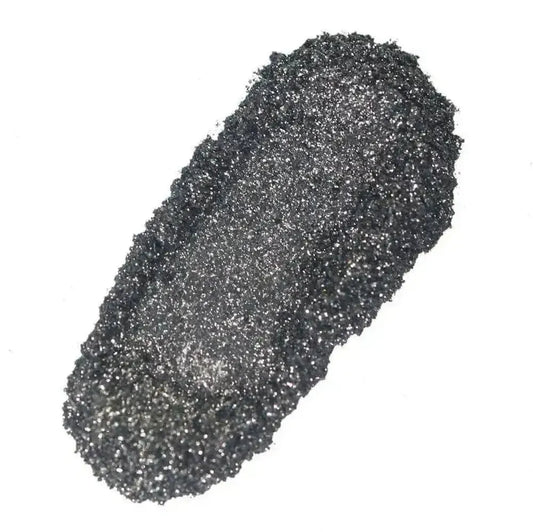
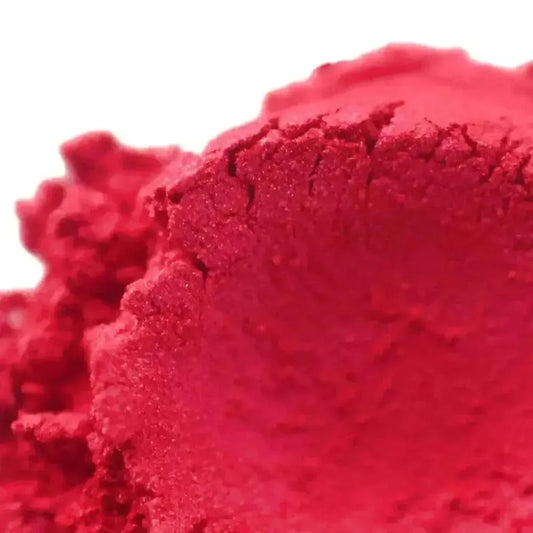
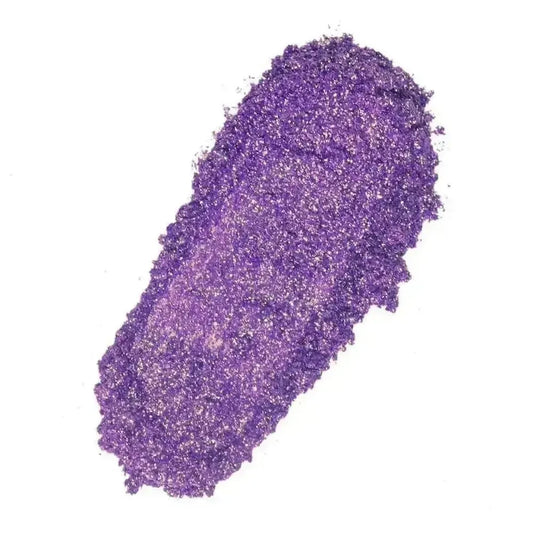
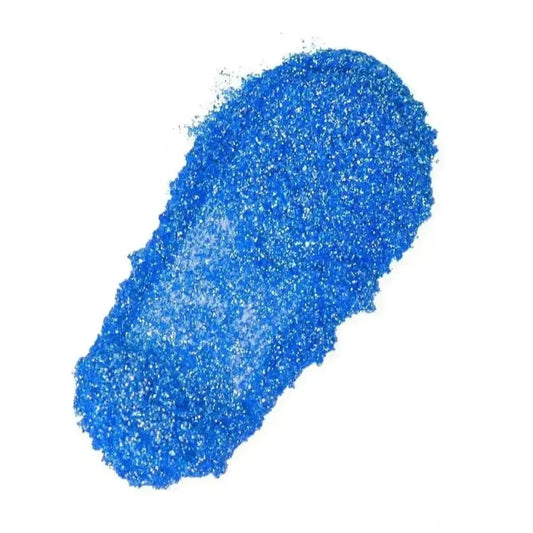
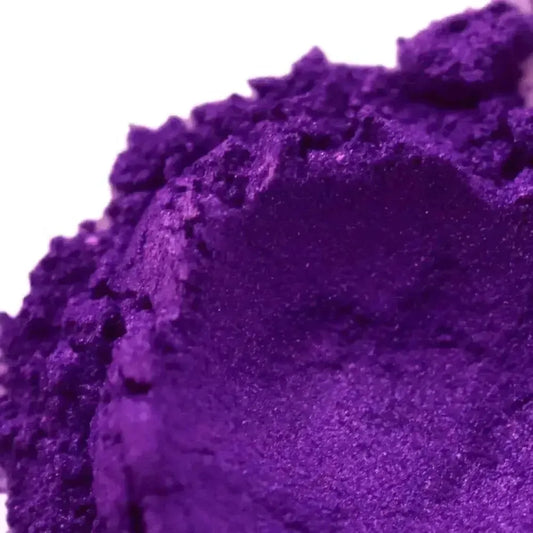
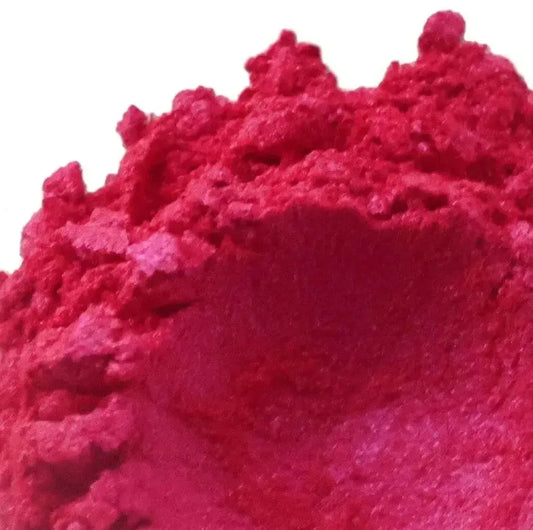
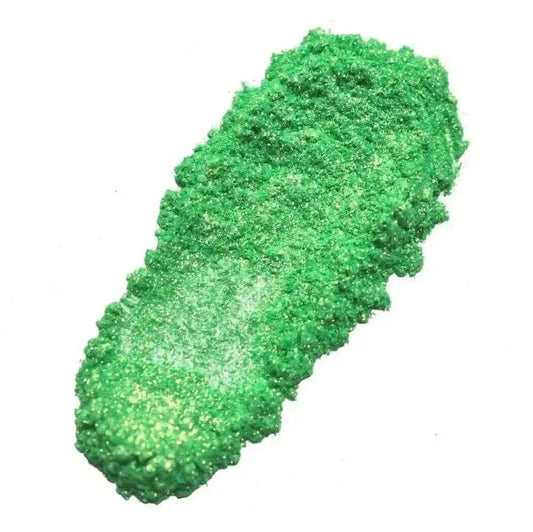
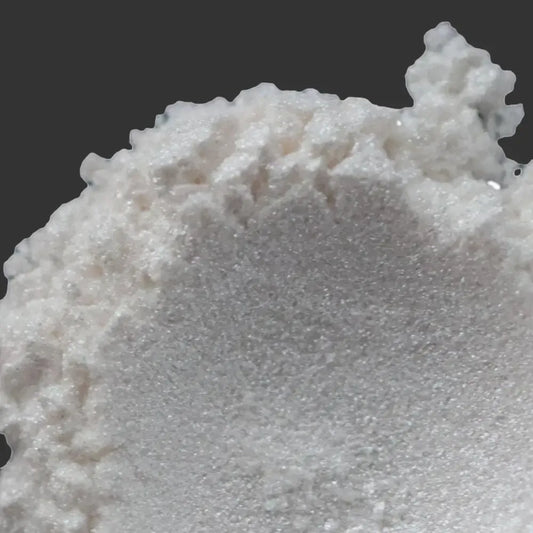
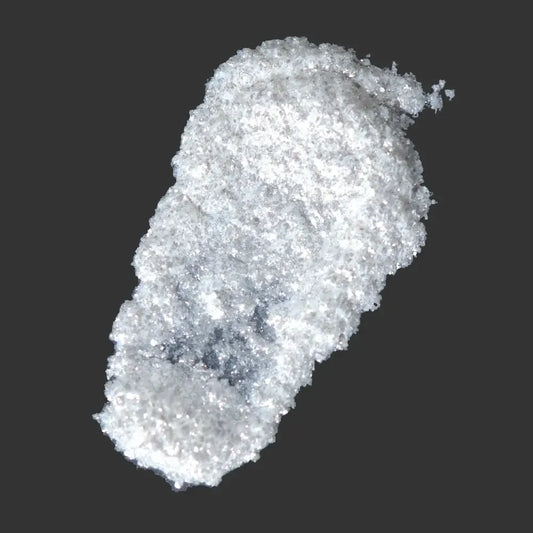
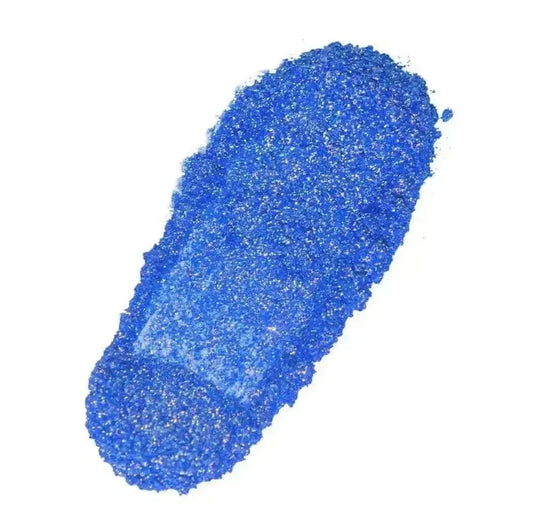
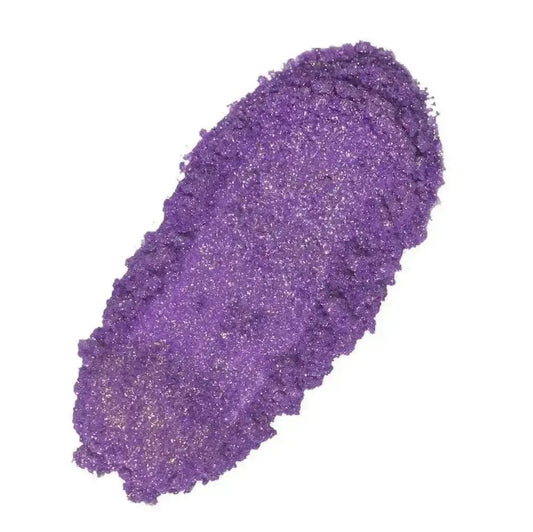
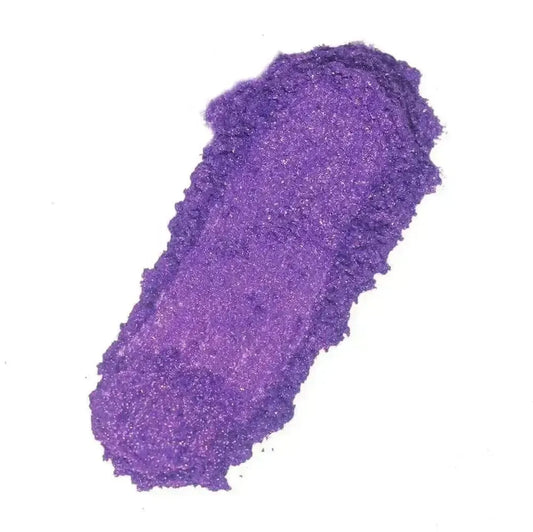
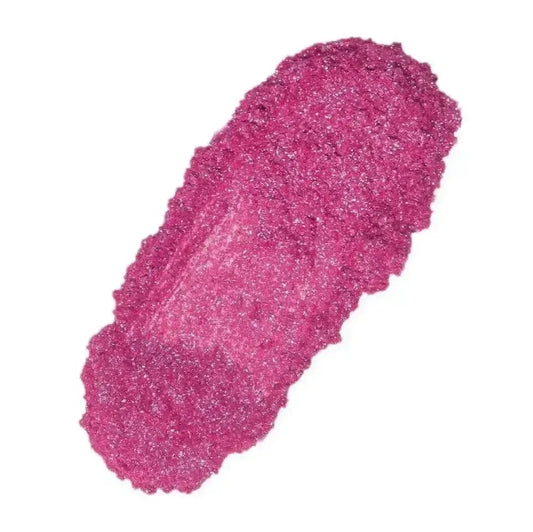
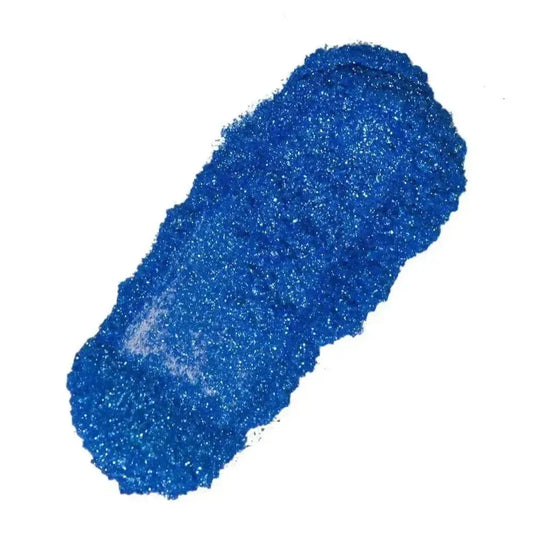
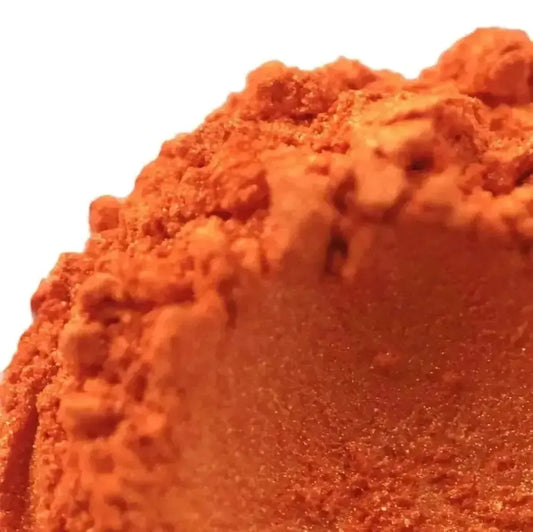
Lab-created mica, also sold as synthetic mica, is made under controlled conditions instead of mined, and you can see the difference: the flake is clearer, so the color coated onto it reads brighter and the sparkle is cleaner and more consistent from jar to jar. It costs a little more than natural mica, and the product page shows what that buys you in finished soap.
Lab-Created Mica FAQ
Here's what sets lab-created mica apart, how it performs in your projects, and why it's worth the price difference.
What makes lab-created mica different from natural mica?
Natural mica is mined from the earth and typically starts out as an off-white or grayish mineral with brownish tones, while lab-created mica (also called synthetic fluorphlogopite) is manufactured under controlled conditions to be crystal clear from the start. That purity translates to brighter, more vivid color and more consistent results from batch to batch. Read more about natural vs. lab-created mica here.
Is lab-created mica considered "natural"?
Not in the traditional sense; it's made in a lab rather than mined, so it's classified as synthetic. That said, it's built from the same core mineral structure as natural mica, just produced through a controlled process rather than extracted from the ground.
Why is lab-created mica often more expensive than natural mica?
The manufacturing process is more involved and produces a higher-purity result, which comes at a higher cost than mining and processing natural mica. Many makers consider the trade-off worth it for the added brightness, clarity, and batch-to-batch consistency.
Does lab-created mica perform differently in soap or cosmetics?
It is used the same way as natural mica in cold process soap, melt and pour, and cosmetics; the difference you see is the brighter, more consistent color described above.
Is lab-created mica safe and eco-friendly to use?
Yes, it's safe to use: manufactured for purity and consistency, it's a reliable, skin-safe option across soap, resin, and cosmetic applications. As for eco-friendly, that's a mixed picture. Skipping the mining step avoids the labor and sourcing concerns sometimes associated with natural mica, but like natural mica, it's still a mineral and doesn't biodegrade the way organic materials do.
Is synthetic mica biodegradable?
No. Synthetic mica is a mineral, just like natural mica, so it doesn't biodegrade the way organic materials do. Over a very long time it weathers down into finer particles, the way sand and other minerals do, but that is weathering, not biodegradation.