464 products

Collection: Soap Making Supplies

Narrow it down

Tap as many as you like. For more options, use Filters above the products.

Molds, Colorants, Fragrance and Ingredients

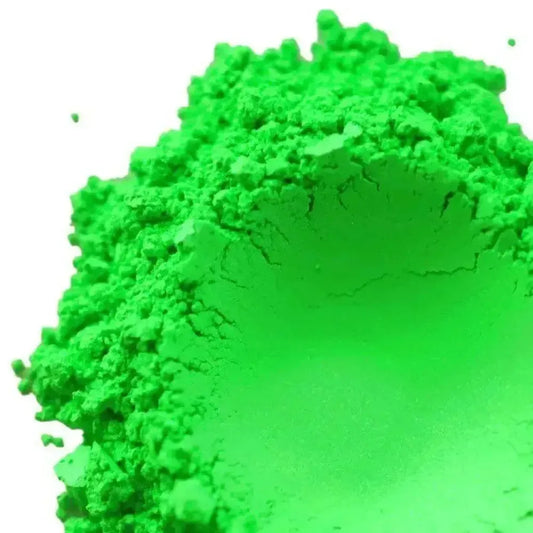
The whole soap-making catalog, organized by what you are looking for. Wood and silicone molds with liners and lids, micas and pigments photographed in finished soap, fragrance oils tested in cold process before they are sold, and the lye, oil blend, bases, and additives underneath every recipe. Use the Filter button above to narrow the list by type, or browse a category from the menu.

Soap Making FAQ

Whether you're just getting started or building out your recipe library, here's a quick rundown of the basics: choosing between cold process and melt and pour, what you need to get going, and how to make sure a product actually fits your project.

Where do I start if I'm new to soap making?

If you've never made soap before, our Beginner's Kits are the easiest entry point, since they include everything you need along with step-by-step instructions. From there, most makers branch out into individual bases, fragrance oils, colorants, and molds as they build their own recipes.

Not sure what actually counts as "soap," or how it's regulated differently from a cosmetic? What Is Soap and How is it Regulated? on our blog is a good place to start before your first batch.

What's the difference between cold process and melt and pour soap?

Cold process soap is made from scratch using oils and lye, giving you full control over the recipe but requiring careful lye handling. Melt and pour uses a pre-made base that's already saponified, so there's no lye involved, making it a simpler, faster option, especially for beginners.

What do I need to get started with cold process soap?

At minimum, you'll need oils, lye, a mold, safety equipment (goggles and gloves), and a way to measure and mix accurately. From there, fragrance oils, colorants, and additives let you customize your recipe.

How long does soap need to cure before I can use or sell it?

Cold process soap typically needs 4 to 6 weeks to fully cure, during which excess water evaporates and the bar becomes harder, milder, and longer-lasting. Melt and pour soap doesn't require curing since it's already fully saponified, so it's ready to use as soon as it's set.

How do I know if a specific product is right for my project?

Check the product's Approved Use or Fragrance Use filter on its listing page, since usage and safety ratings vary by product and application (soap, candles, bath bombs, etc.). When in doubt, always run a small test batch before committing to a full pour.