165 products

Collection: Mica Powder

Ethically Sourced Mica in Every Shade

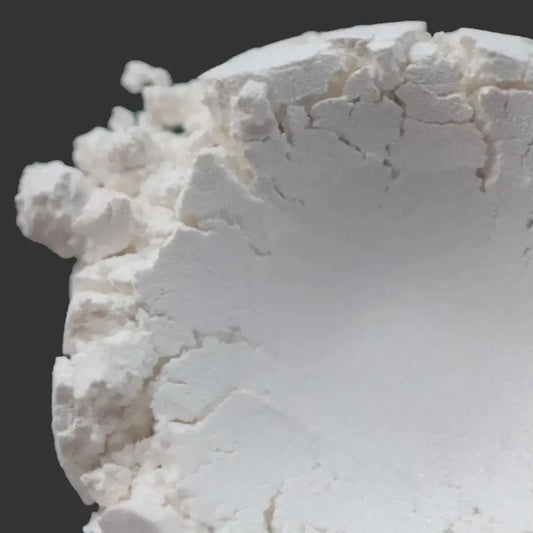
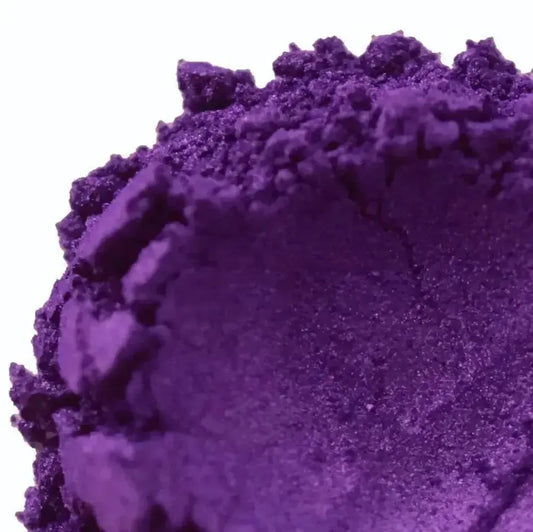
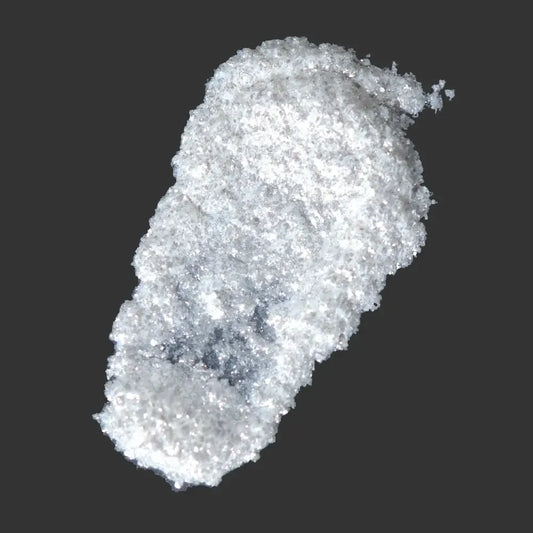
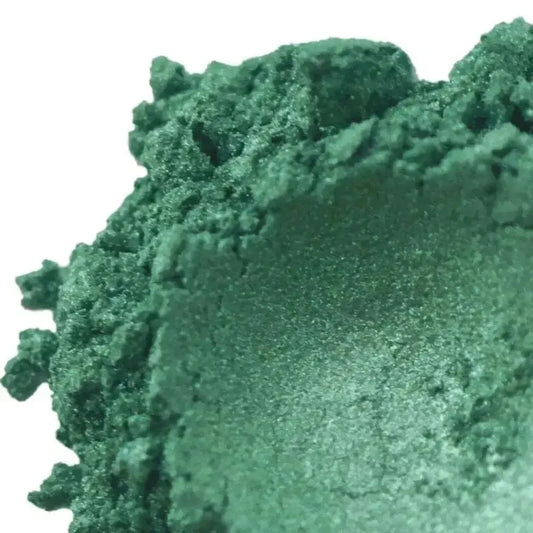
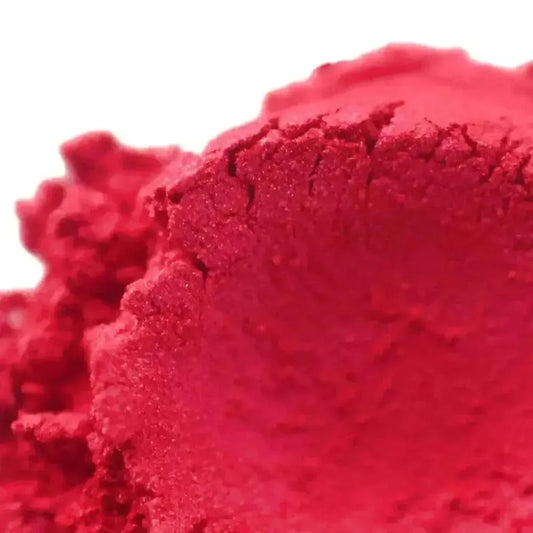
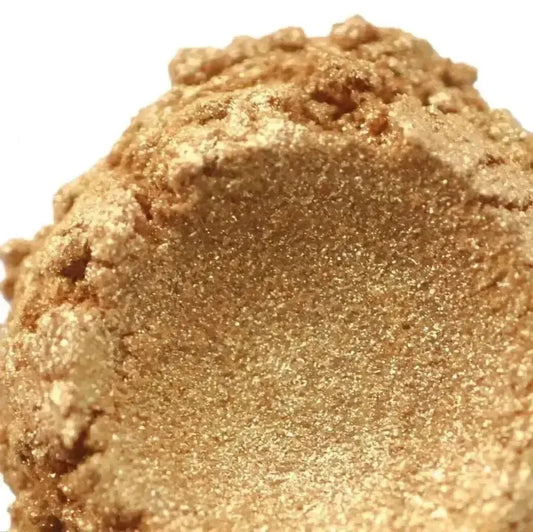
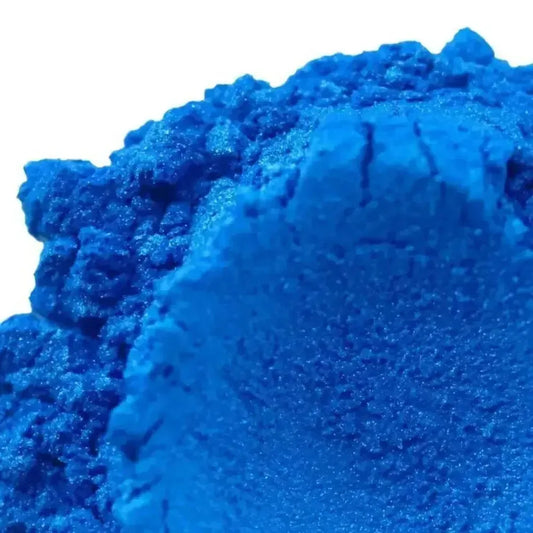
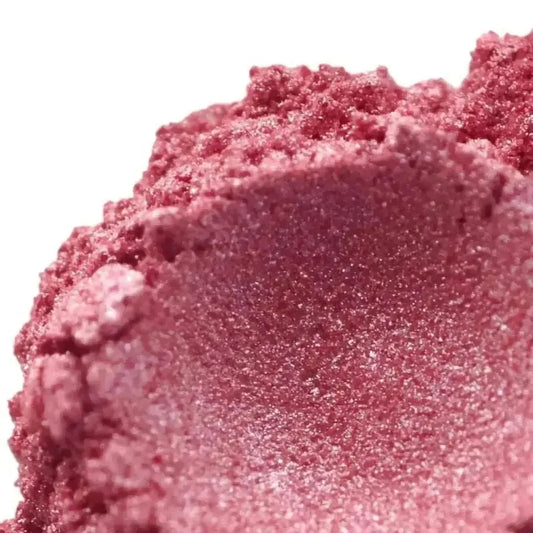
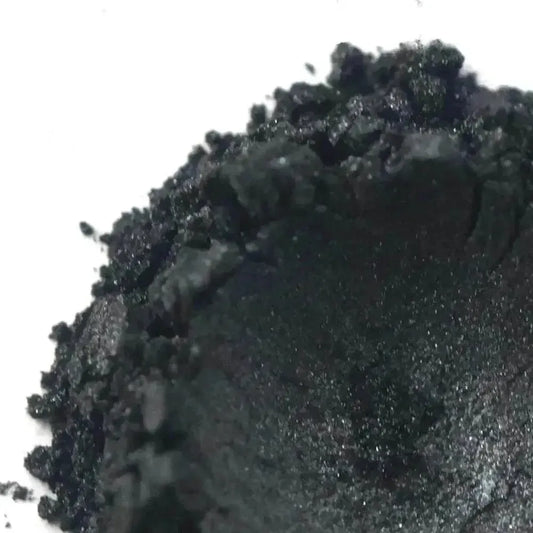
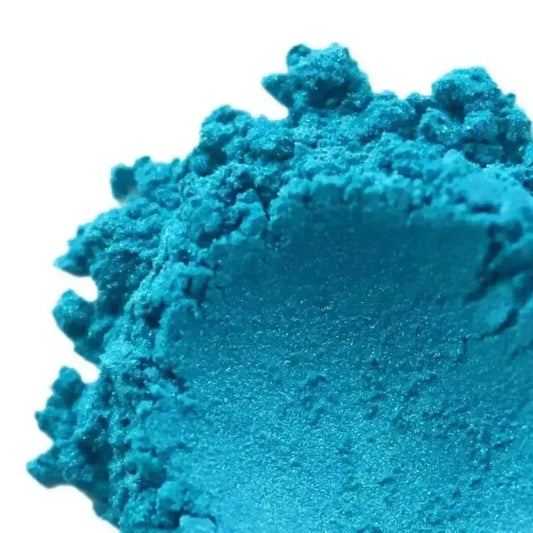
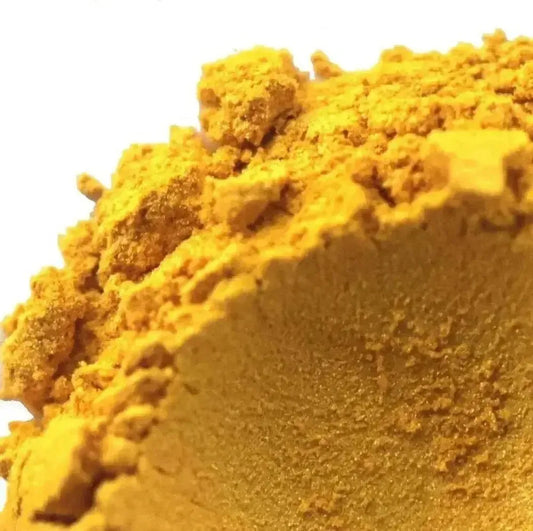
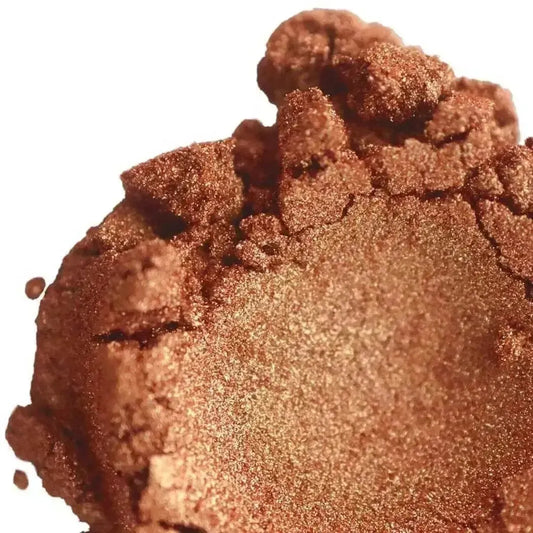
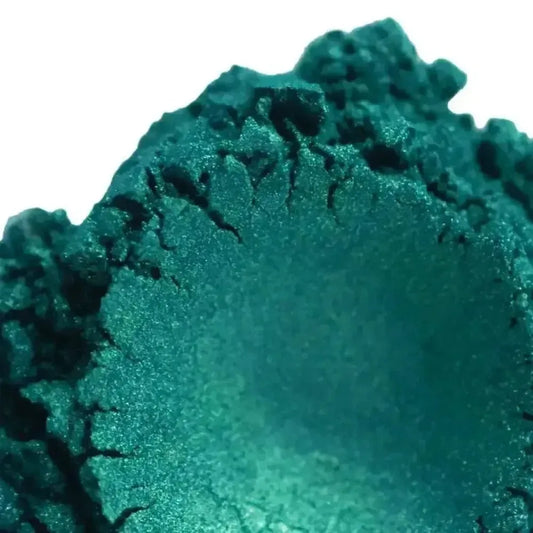
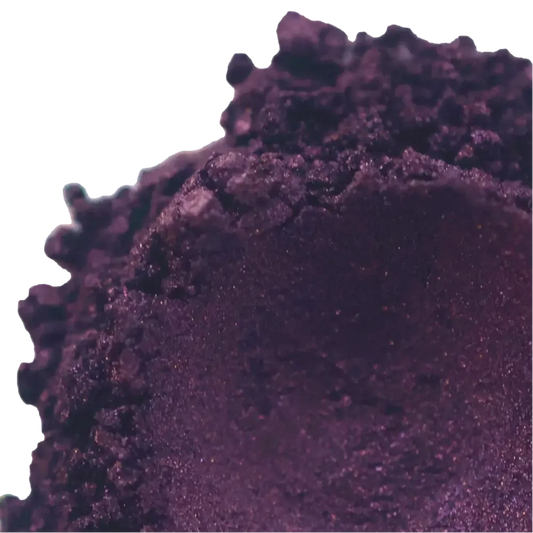
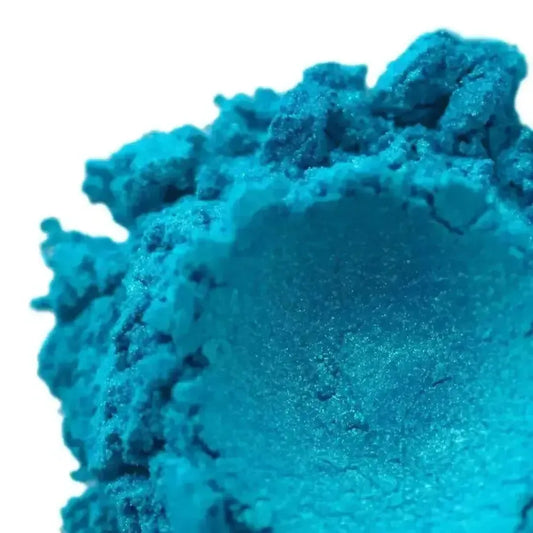
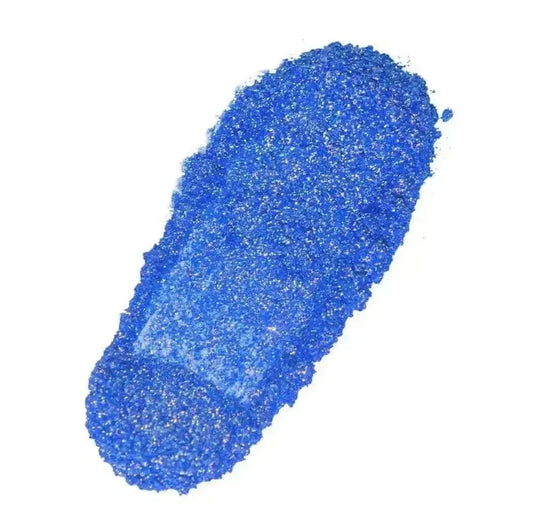
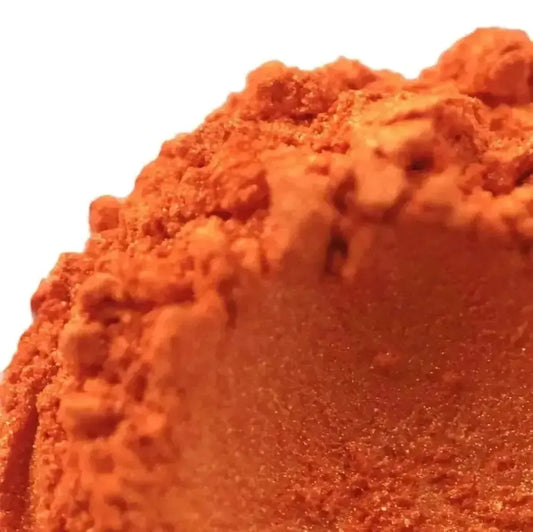
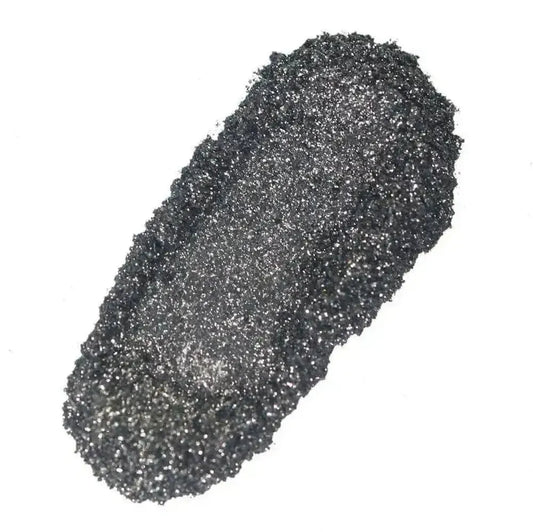
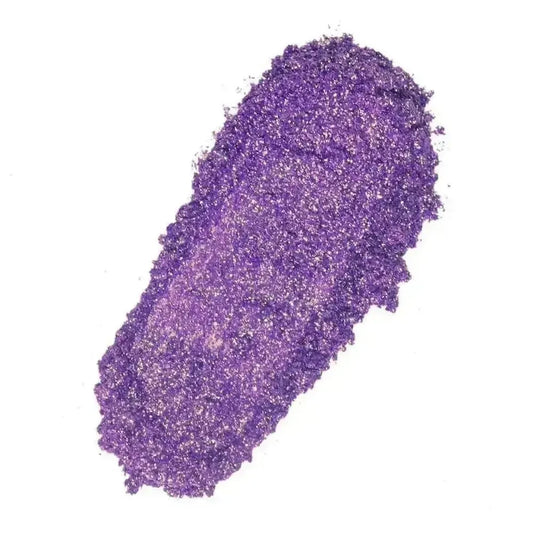
Mica powder in every shade we carry, ready for cold process and melt and pour soap, bath bombs, resin and cosmetics. Each one is natural or lab-created mica, ethically sourced (our mica sourcing statement explains how), and coated with the pigments that give it its color. Use 1 to 2 teaspoons per pound of oils in soap. Every product page lists the uses that shade is approved for, plus notes on any shade that shifts at high pH.

Mica Powder FAQ

Mica adds shimmer and color across nearly every craft, from soap to resin to candles, but the right amount and mixing method changes depending on what you're making.

How much mica should I use in CP soap?

Start with 1 teaspoon of mica per pound of oils for a vibrant color without overdoing it. Use less (around ½ teaspoon) for pastel shades, or up to 2 teaspoons for bolder, more saturated color. A few shades, mostly oranges and some reds, need more than that to reach full depth, so follow the use rate on the product page rather than a blanket number, and do not go past it: too much mica can cause staining or affect lather. Pre-mix your mica with a bit of oil from the batch to prevent clumping, and always test in a small batch first, since results can vary based on your base oils, fragrance, and additives.

For more tips on using mica across soap, bath bombs, candles, and resin, see our full guide on using mica.

How much mica should I use in MP soap?

Use ¼ to ½ teaspoon of mica per pound of soap base, starting light and building up for deeper color. Mix the mica with a small amount of glycerin or rubbing alcohol before adding it to your melted base to help it disperse evenly. Keep in mind white or opaque bases will mute the color, while clear bases make it appear more vivid and shimmery.

How do I use mica in bath bombs?

Start with 1 to 2 teaspoons of mica per pound of dry ingredients. Disperse the mica in a small amount of liquid (like isopropyl alcohol or sweet almond oil) before adding it to your dry mix to prevent clumping, and add about 0.5 to 1% polysorbate 80 to help the color disperse in water rather than float or stick to the tub. For a bolder, more saturated bathwater color, pair mica with lake dyes. Always test the finished bomb in a tub of water first.

Can I use mica in candles?

Mica works best as a decorative accent rather than a primary colorant in candles. The most reliable method is dusting a small amount into the mold or onto the surface before pouring, which creates a shimmering outer layer once the candle sets. It's better suited to wax melts (¼ to ½ teaspoon per pound) than wick-burning candles, since mica doesn't fully dissolve in wax and can clog a wick if overused. If you do use it in a container candle, keep it under ⅛ teaspoon per pound and test thoroughly.

Can I use mica in epoxy resin?

Yes, use about 1 to 2% mica by weight of the total resin mixture (for example, 1 to 2g per 100g of resin and hardener). Less mica (around 0.5%) gives a translucent, subtle shimmer, while more (3%+) creates a deeper, more opaque, metallic look. Add the mica slowly to your mixed resin and stir until evenly distributed, then pour and work quickly within the resin's working window.

Are your micas cosmetic grade?

Yes. Our micas are cosmetic grade, meaning they are made and tested for use on skin and in bath products, not just crafts. Cosmetic grade does not mean unrestricted use, though: some shades are cleared for eyes, lips, bath bombs and general body use, and others for only some of those.

The approved-use row on the product page lists eyes, lips, bath bombs and general body use for that shade, so check it before adding a mica to lip balm, eyeshadow, or anything else worn close to the skin.

How is mica powder made?

Natural mica starts as a mineral called muscovite. Once it's mined, it is cleaned, ground down, and milled into a fine powder. Lab-created mica skips the mining step: it is grown under controlled conditions from the same basic mineral building blocks, then processed into powder. Either way, the color comes from pigments applied to the mica with heat. Read more about natural vs. lab-created mica.

Is mica ethically sourced?

It can be, and it's worth asking. Some of the world's natural mica comes from regions where mining has involved child labor and unsafe conditions, particularly parts of India and Madagascar. We work only with suppliers who can verify their mining and labor practices, and our Mica Compliance Declaration explains how we vet them. Lab-created mica skips mining entirely.